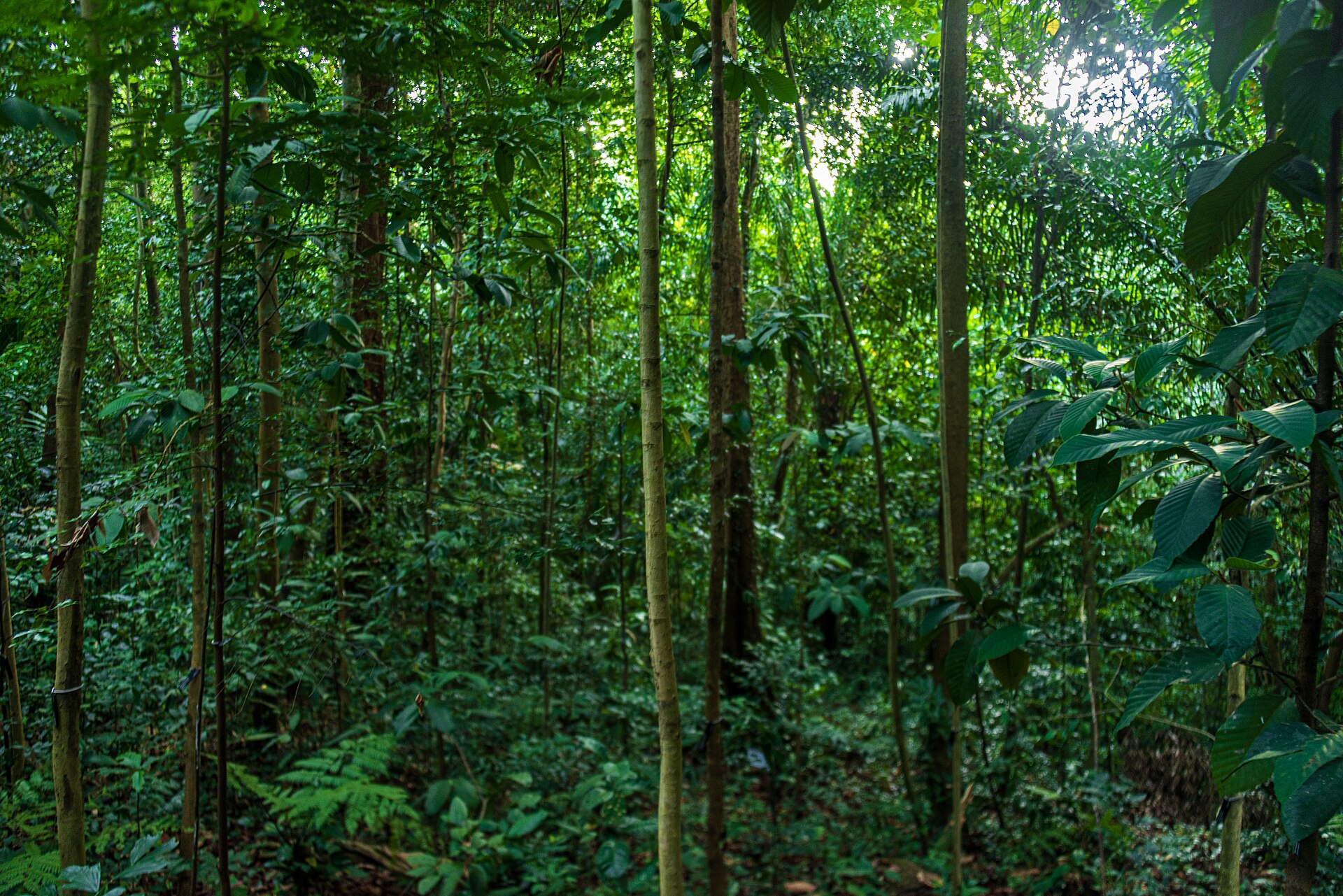
A wildlife-friendly garden begins with observation, not a shopping list. In Singapore, two balconies in the same block can have very different growing conditions: one may receive fierce afternoon sun and reflected heat, while another stays bright but shaded and catches wind-driven rain. Plants that suit the place are more likely to grow well, flower regularly and offer food or shelter to insects and birds.
The aim is not to make a garden look untidy or to recreate a forest in a small space. It is to build a healthy collection of plants with several heights, a long flowering season and fewer avoidable hazards. Even a balcony or a narrow patio can become a useful stopping place when its planting is deliberate.
Read the site before choosing plants
Watch the space for several days. Note how many hours of direct sun it receives, when that sun arrives, where rain reaches and how quickly pots dry after watering. Check for strong wind, air-conditioner exhaust and heat reflected by glass or concrete. In the ground, notice whether water drains after a storm. In containers, measure the available depth and the mature width the plant can occupy without blocking a walkway.
Group the site into simple zones such as full sun, bright shade and sheltered shade. This makes plant selection clearer and prevents the common mistake of treating every bright-looking corner as equivalent. NParks’ GardeningSG introduction likewise recommends choosing plants for the available light and space while accounting for Singapore’s tropical heat, humidity and rainfall.
Build habitat in layers
A row of identical pots can be attractive, but several planting heights provide more places to feed, rest and hide. Start with one structural plant—a small tree or tall shrub where space permits—then add medium shrubs, low herbs or groundcover, and perhaps a climber on a safe support. Repeat a few leaf shapes or flower colours so the result feels composed rather than crowded.
Keep sightlines and mature sizes in mind. A plant should not need constant hard pruning merely to fit. Dense foliage can offer shelter, open flowers can make nectar accessible, and fruiting shrubs can provide food. A shallow dish of clean water with stones for safe footing may help small visitors, but refresh it often so it does not become a mosquito-breeding site.
Pair nectar plants with host plants
Flowers feed many adult pollinators, but a butterfly also needs the right host plant for its caterpillars. A garden made only of showy nectar flowers may attract brief visits without supporting a full life cycle. Include both flower resources and plants that larvae can use, and expect some chewed leaves. Limited leaf damage is often evidence that the planting is doing its ecological job.
Choose a mixture that flowers or fruits at different times. Singapore native plants are especially worth considering because they participate in local ecological relationships. Confirm identification and mature size before buying, and avoid invasive species. Never dump unwanted plants or potting material into parks, drains or natural areas.
Six plants to investigate
The right choice still depends on the exact site, but the Nature Love You archive offers a useful starting point for a shortlist:
- Melastoma malabathricum, often called Singapore rhododendron, is a sun-loving native shrub with conspicuous flowers.
- Rhodomyrtus tomentosa, or rose myrtle, provides flowers and fruit but needs enough room and light.
- Dillenia suffruticosa, known as simpoh air, is a substantial native shrub better suited to a generous garden than a small balcony.
- Leea rubra brings clusters of red flowers and dark fruit to a layered planting.
- Ixora congesta, the Malayan ixora, is worth considering for a warm site with suitable light.
- Ficus deltoidea, the mistletoe fig, has an interesting compact form and small figs.
Treat this as a research list, not a guarantee that every plant suits every home. Check whether a species is locally appropriate, how large it becomes, and whether its light and water needs match your conditions. The archive photographs can help with recognition, while a reputable grower can advise on available stock.
Buy for the conditions, not the label
Before purchasing, inspect leaves, stems and the potting mix for pests, damage and waterlogging. Ask how much sun the plant currently receives and acclimatise it gradually if your site is brighter. Do not buy a thirsty shade plant for a hot balcony simply because its label says “tropical.” For broader care routines and troubleshooting after planting, Noah Garden Centre organises practical guidance on watering, light, soil, repotting and common plant problems.
Use containers with drainage holes and enough root volume for the plant’s next stage of growth. Match plants with similar moisture needs when sharing a trough. A surface mulch can reduce splash and moisture loss, but keep it clear of stems and avoid sealing wet potting mix under a thick layer.
The first eight weeks
Water thoroughly so moisture reaches the root zone, then let the plant’s needs and the weather determine when to water again. A fixed daily splash often wets only the surface. During the establishment period, check new plants frequently for wilting, yellowing, scorch, persistent sogginess and pests. Change one variable at a time so you can tell what helped.
Keep a short notebook with planting dates, sun hours, flowering, visitors and care changes. Photographs taken from the same position every two weeks reveal growth more reliably than memory. If a plant repeatedly struggles, moving it to a better microclimate may be more effective than adding fertiliser.
Garden without erasing wildlife
Avoid routine use of broad-spectrum insecticides. First identify what is present: a caterpillar, leaf-cutter bee or harmless spider is not the same problem as a fast-growing pest outbreak. Hand removal, a focused prune or improved airflow may solve a local issue with less harm to other organisms. Leave some stems or leaf litter where it is safe and practical, because small animals use quiet material as shelter.
Observe before intervening. The minibeast galleries can help you compare visitors, while the plant directory provides more examples of Singapore’s tropical flora. Returning to the Nature Love You homepage gives you routes into the broader observatory and field notes.
A simple planning checklist
- Record direct sun, rain exposure, wind and drainage.
- Choose plants whose mature size fits the available space.
- Combine structural, middle and low planting layers.
- Provide both nectar sources and suitable host plants.
- Prefer locally appropriate plants and avoid invasives.
- Use pesticides only when identification and a real need justify them.
- Review the garden every few weeks and adjust gradually.
A useful wildlife garden is never completely finished. It develops as plants mature, seasons shift and new visitors arrive. Start with the conditions you actually have, add a manageable number of well-chosen plants, and let close observation guide the next change.